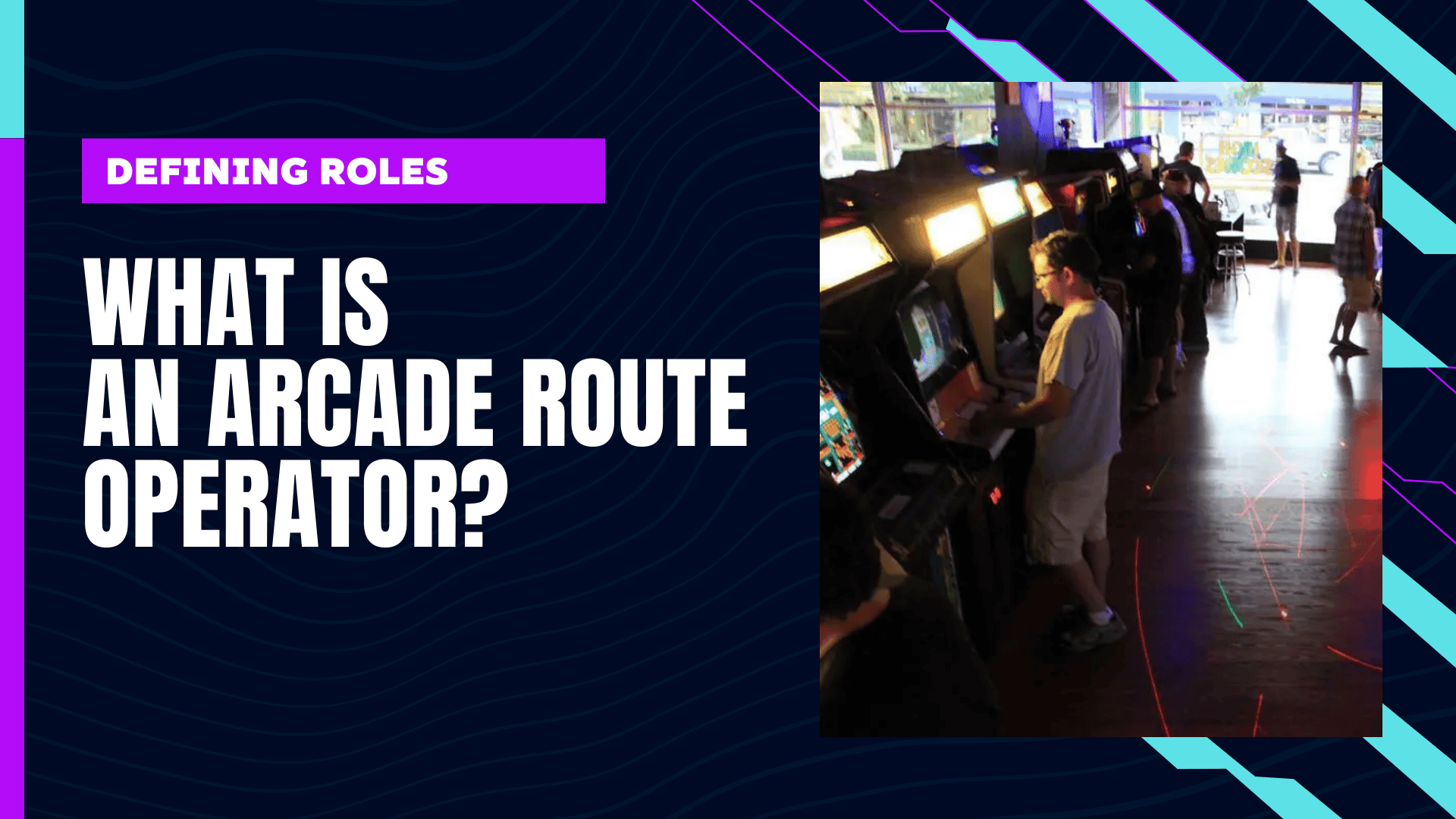

Let’s get real for a minute. When you’re dropping quarters into a claw machine at your local bowling alley or challenging a buddy to Golden Tee at your neighborhood bar, chances are the gear you’re playing on isn’t owned by the venue. Nope, it’s owned by someone else — an arcade route operator. And if you’re an FEC owner, bar manager, or entrepreneur looking to add arcade games without blowing your budget, understanding this business model is a game-changer.
Route operations might not grab the headlines, but they’re the unsung heroes keeping games spinning and cash flowing. Operators help their clients—venues like bars, FECs, and bowling alleys—enhance their entertainment offerings and boost customer engagement, all without the heavy upfront costs. Whether you want to build a side income or boost your venue’s vibe without the heavy upfront costs, this is the route to know.
Table of Contents
So, What’s an Arcade Route Operator, Exactly?
Think of an arcade route operator as the behind-the-scenes pro who owns, operates, and manages coin- and card-operated arcade games placed in third-party spots — bars, FECs, bowling alleys, movie theater lobbies, laundromats, you name it. They handle everything: purchasing the machines, moving them around, installing, maintaining, collecting the cash, and swapping out titles when needed. The venue? They just provide the space and foot traffic.
You might hear them called “street operators” — a nod to the old-school days when operators drove around emptying coin boxes at local joints. The term stuck, even as the business got smarter with card systems and cloud-based tracking.
Here’s the money part: revenue sharing. Usually, it’s a 50/50 split between operator and venue, but it’s flexible. For example, assume the operator invests heavily in new machines; they might negotiate a 60/40 split in their favor to recoup costs faster. Sometimes operators get a bigger cut if they’re dropping serious coin on equipment; other times, the venue gets more if they’re pitching in marketing or staffing. Negotiating revenue-sharing contracts with venue owners is a crucial part of becoming an operator, as these agreements determine profitability and long-term success. Unlike FECs that own their machines outright and take all the risk, working with route operators means sharing profits but cutting upfront costs and headaches.
Many FECs mix it up — owning their main attractions but partnering with route operators for the arcade games. This way, they get the best of both worlds: focus on their core business while the arcade experts handle game selection, upkeep, and rotation.
From where we sit, route operations are a crucial link in the arcade tech ecosystem. Operators sync with card systems, payment platforms, and management software venues already use. Knowing how this all fits together helps both sides make smarter, more profitable decisions.

Breaking Down the Revenue-Share Model
This model is the heart of route operations. The operator owns and services the games; the location provides space, utilities, and customers. When the cash or card payments roll in, it gets split per the contract.
Picture this: a route operator places two machines in a local bar — a Golden Tee cabinet and a dart machine. Together, they pull in $160 a week. Split 50/50, the bar makes $80 without spending a dime on gear, and the operator pockets $80 to cover costs and profit. Multiply that across multiple locations, and you’ve got a sustainable business.
Bigger setups work the same way but with adjusted numbers. A 20-game arcade inside a bowling alley might rake in $3,000 monthly. At a 60/40 split favoring the operator, the bowling alley nets $1,200, and the operator takes $1,800 — fair compensation for the bigger investment and service load.
Splits vary based on the venue and negotiation. Small bars usually go 50/50 since the operator’s workload is lighter and foot traffic steady. For larger FECs or high-value redemption games, splits might shift to 60/40 or even 65/35 in the operator’s favor. If the venue pitches in marketing or has prime floor space, they might demand a bigger piece.
Tracking revenue depends on tech. Old-school coin machines mean operators physically collect cash and count coins. Bill acceptors add complexity. Modern card systems like Intercard, Embed, Sacoa, or Semnox generate digital reports accessible to both parties, making splits transparent and disputes rare. Revenue collection also includes maintaining records of machine performance, earnings, and repairs, which is essential for both transparency and long-term profitability.
Payment schedules vary. Some operators settle weekly, handing over cash or checks during visits. Others settle monthly, especially with card systems that aggregate revenue electronically. The rise of cashless play means settlements are cleaner and more transparent — venues can log in and see exactly what each game earned. Missing a scheduled collection can cause the venue to doubt the operator’s commitment and reliability, which can damage trust and the long-term relationship.
What Does an Arcade Route Operator Actually Do?
Running a route is more than just collecting quarters. It’s a full-on operation.
Collections are the daily grind. Operators visit locations regularly — often weekly — to empty coin boxes or check card system reports, restock prizes in redemption games, clean machines, and ensure everything’s working. Miss a run, and you miss income — plus, the venue might start doubting your commitment.
Maintenance is mission-critical. Operators juggle preventative upkeep — swapping worn parts before they break — and reactive fixes when machines go haywire. Regular maintenance, including cleaning and simple repairs, prevents loss of revenue and keeps machines running smoothly. Cleaning arcade machines regularly can help prevent breakdowns and ensures a better experience for players. Personally, I’ve found that supporting your machines through consistent upkeep is the best way to avoid costly downtime and unhappy customers. Operators must be prepared for service calls and maintenance issues at any time, as a crane game stuck on a Friday night is a call you don’t want to miss. Smart operators keep spare parts and swap kits handy to fix things on-site fast, minimizing downtime. It’s wrong to assume that machines will run themselves without attention—neglecting maintenance can quickly eat into profits and damage your reputation. Operators should regularly check the earnings and performance of their machines to make informed decisions about maintenance and replacement. Route operators need mechanical aptitude, strong customer service skills, and proficiency with electronic tools to diagnose and fix machines. Maximizing machine uptime through technical repairs and optimizing the game mix is key to profit, but the time commitment involved in maintaining machines is significant and should not be underestimated.
Game selection and rotation make or break profits. Bar crowds love competitive games like Golden Tee, Big Buck, or boxing machines. FEC visitors skew toward redemption games, kid-friendly titles, and prize cranes. Operators track performance data, swapping out underperformers every 2-4 months and moving winners to the right spots.
Back-office work is no joke. Licensing varies by city and state — some places require permits for each machine, others for the business. Insurance is non-negotiable, protecting against injuries, theft, or damage. Operators need to keep in their head the importance of safety and legal preparedness, especially when dealing with equipment like pinball machines. Bookkeeping tracks income, expenses, and taxes for each location. Operators should also have skills in cash handling, accounting, and analyzing game performance data.
Relationship management ties it all together. Operators who just show up to collect cash and vanish don’t last. The best operators visit regularly, chat with venue managers, and adjust the game mix based on feedback. Bar owners asking for pinball? Operators find a way to deliver. FEC managers noticing kids ignoring a game? Operators swap it out. These conversations build trust, better contracts, and referrals.
Where Do Route Operators Place Their Machines?
Route operators spread their games across tons of venues — each with its own vibe and earning potential.
Classic “street” spots include bars, pubs, bowling alleys, truck stops, laundromats, convenience stores, and VFW halls. These places have waiting or socializing customers — perfect for arcade play. Think truckers between loads, bowlers between frames, bar patrons between drinks. Placing arcade machines in waiting areas can enhance the customer experience and maximize engagement while people relax or wait.
Family entertainment centers are a big deal here. Many start small, lacking the cash to buy a full game room. A route operator partnership lets them offer arcade fun without the capital hit. As the FEC grows, it might buy equipment outright, but the route model is a low-risk stepping stone.
Hybrid models are trending. FECs own laser tag, VR, climbing walls, but outsource arcade and redemption games. This division plays to strengths — operators bring arcade know-how, distributors, and performance tracking.
Operators pick locations based on foot traffic and dwell time. Parents waiting during birthday parties are captive customers. League bowlers who hang for hours play more than quick-stoppers. Demographics matter — 21+ bars want pinball and sports sims; FECs want redemption and kid-friendly games. Crane machines are especially versatile, fitting easily into various waiting areas and offering plush toys or branded items as prizes. The Kiki Arcade line is a great example, providing kid-sized game cabinets that can be customized for amusement-only play or ticket redemption.
Examples? A 10-game arcade cluster at a 12-lane bowling center mixing video and redemption games. A Dallas bar with a jukebox, electronic darts, and Golden Tee. A regional FEC adding a crane game and kids’ video piece to its lobby for families checking in.
Micro-locations are rising — hotel lobbies, trampoline parks, indoor playgrounds, even medical waiting rooms. Operators focus on compact, low-maintenance games that fit small spaces and earn with minimal supervision.
Financing and Investment: What You Need to Know
Let’s face it—jumping into the arcade route business isn’t just about finding the right location or picking the hottest new games. It’s about making smart financial moves that set you up for long-term success. Whether you’re a seasoned operator looking to expand your route or a newcomer eyeing your first machine, understanding the investment landscape is absolutely key.
Upfront Costs and Ongoing Expenses
First, let’s talk numbers. Arcade games aren’t cheap—expect to pay anywhere from $9,000 to $20,000+ for a single new machine, with classics like pinball or redemption games often landing at the higher end. But the investment doesn’t stop there. You’ll need to budget for transportation, installation, insurance, licenses, and regular maintenance. Don’t forget about prize inventory if you’re running claw machines or redemption games. These costs add up fast, so having a clear picture of your total investment is crucial before you place your first order.
Financing Your Arcade Route
Most operators don’t have piles of cash lying around to buy a full game room outright. That’s where financing options come in. Equipment financing and leasing are popular in the arcade industry, letting you spread out payments over time and preserve cash flow for other business needs. Some banks and specialty lenders offer loans tailored to amusement equipment, but be sure to compare rates and terms. Leasing can be a smart move if you want to keep your lineup fresh and avoid being stuck with outdated machines. Of course, using personal savings or reinvesting profits from your existing business is always an option if you want to avoid debt.
Revenue, ROI, and Scaling Up
Before you sign on the dotted line, run the numbers. Estimate your expected weekly revenue per machine based on location type—bars, FECs, and movie theaters all have different earning profiles. Calculate how long it will take to recoup your investment and start turning a profit. Remember, the arcade route business is a marathon, not a sprint. It might take months or even years for a new game to pay for itself, especially if you’re splitting revenue with the venue. That’s why tracking performance and being ready to rotate out underperforming games is so important.
Managing Risk and Protecting Your Investment
Every operator faces ups and downs—slow weeks, broken machines, or unexpected service calls can eat into your bottom line. That’s why having solid insurance coverage and a financial cushion is non-negotiable. Make sure you’re up to date on all local licenses and taxes to avoid costly fines. And always set aside funds for repairs and upgrades, so you’re not caught off guard when a machine goes down.
Smart Strategies for Growth
The most successful operators don’t try to do it all at once. Start with a handful of machines in locations where you have strong relationships, then reinvest your profits to add games or expand to new locations. Use data from your card systems and management software to guide your decisions—double down on what’s working, and don’t be afraid to pull the plug on games that aren’t earning their keep. As your route grows, consider partnering with other businesses or exploring new financing options to keep your momentum going.
Bottom line: the arcade route industry rewards operators who plan ahead, manage their money wisely, and stay flexible. With the right investment strategy, you can build a profitable business that brings fun—and revenue—to every location you serve.
Technology and Software: The Secret Sauce
Today’s route operators lean hard on tech.
Cloud dashboards give real-time earnings per game and location. Operators no longer wait for collections to know what’s working. They spot machines that stopped earning and fix issues before the next visit.
Card systems create opportunities — but also complexity. Route games must integrate with venue card systems, requiring coordination and ongoing compatibility checks. Operators who nail this integration bring major value.
Payment processing adds another layer. Card readers accept credit, tap-to-pay, and mobile wallets, but the money flows through gateways before hitting the operator. Setting up settlement flows correctly is crucial to avoid headaches and keep venue relationships strong.
Telemetry and remote monitoring cut down truck rolls. Machines can report coin drops, door opens, and error codes via cellular or WiFi. An operator managing multiple locations can prioritize service calls based on real data, not guesswork.
AI and automation are the future. Operators use data to forecast which games underperform, suggest rotations, and automate reports for venue managers. Integrations with CRM systems track location satisfaction, correlating game performance with relationship health.
These tools let operators scale efficiently. Managing 50 locations with modern tech takes less effort than 20 locations did a decade ago.

The Hard Truth: Challenges for Route Operators
Route operations aren’t a walk in the park. There are alot of significant costs and challenges involved, and most operators do not make a full living from route operations—it’s often more about passion than profit. If you’re wondering about the financial realities, the average earnings for an arcade machine can be around $20 per week, or $1,040 per year. With a new arcade machine costing around $6,000, you may need 8,000 plays at 75 cents each just to break even. Operating an arcade machine also involves costs such as insurance, taxes, and maintenance, which can significantly reduce profits. Street and route operations are often overlooked in the arcade and amusement business despite their significant presence.
First up: the money. New arcade games cost $9,000 to $20,000+ each. Even proven hits like Golden Tee or Big Buck Reloaded are pricey. Redemption games add prize inventory costs. Financing eats margins; paying cash ties up capital. ROI can stretch years if a game pulls $40 a week, and in the past, operators have learned that previous earnings and costs heavily influence future decisions.
Then there’s the environment. Bars with smoke, unsupervised lobbies, or kids climbing on machines lead to more breakdowns. Vandalism, theft, and coinbox tampering are real threats. Reinforced hardware helps but adds cost.
Regulations vary wildly. Some cities require annual permits and inspections per machine; others classify games as gambling, needing special licenses. Operators must deal with local city taxes as part of running a coin-op business. You can run a game without insurance, but the first time someone gets hurt by your machine, you will lose all of your life’s savings just defending yourself in court. You might be allowed to buy it back at auction if it’s confiscated, but some states forbid it. You should check with local distributors—they can put you in touch with AMOA or state associations that might be a good source of info. You will take the hit for it if your machine catches fire and burns down the place. You can run a game without a license, but when the city or state confiscates it, you NEVER get it back.
Competition is fierce. Venues sometimes buy their own games, cutting out operators. Manufacturers sell direct. Labor shortages make hiring techs and collectors tough. Inflation drives up fuel, parts, and insurance costs.
Tech adoption is tricky. Legacy routes still run on cash, leaving operators blind between visits. Consolidating data from multiple systems demands skills not every operator has. Modernizing pays off but strains resources upfront.
Why Partner With a Route Operator? (For FECs & Venues)
Despite the headaches, the route model offers serious perks.
Upfront cost? Way lower. Instead of dropping $100,000+ on a game room, venues get equipment with zero capital outlay. That frees cash for other investments.
Curated game mixes matter. Operators know what works where. They’ve tested dozens of games across hundreds of spots. FEC owners focused on laser tag and birthday parties might not have this expertise — operators bring it.
Shared risk protects venues. Buy a $15,000 game that flops? That’s a sunk cost. Route operators swap underperformers, so venues aren’t stuck with dead weight.
Service and expertise reduce headaches. Operators handle maintenance, repairs, and supplier relationships. FECs trying to DIY arcade upkeep often find it’s more work and cost than expected.
Data integration is a bonus. Operators plug route data into venue dashboards and loyalty programs, simplifying accounting and marketing.
Flexibility is key. Start small with a few games, test demand, then negotiate purchases, expansions, or co-ownership. The route relationship can evolve as the business grows.
Ready to Jump In? Starting Your Arcade Route Operator Journey
If you’re thinking about starting a route, here’s the real talk.
Average weekly earnings per machine are modest. Small bars and laundromats might pull $20 to $60 per week, and the average earnings for a pinball machine can vary significantly based on location and player interest. It’s income, not a jackpot. Success means scaling slowly — an arcade route operator typically starts with 1–2 machines and expands by reinvesting profits. Add machines and locations over years, not overnight.
Becoming an arcade route operator involves acquiring equipment and securing high-traffic locations. Start small: two to ten machines in local venues where you have relationships. Track earnings for 6-12 months before expanding. Learn what works in your market.
Pick engaged venues. A bar owner who loves arcade games and promotes them will crush it compared to one who just tolerates your machines.
When setting up machines for new locations, consider configuring them for free play mode as part of the setup process, especially when customizing or pre-configuring pinball machines before shipping or placement.
Some essential and popular games for route operators include Big Buck Reloaded and Golden Tee PGA Tour, which perform well in various locations. The World’s Fastest Drummer features a compact footprint, making it suitable for small locations, while Andamiro’s Basketball Pro is a self-contained basketball game that can be set up in various venues.
Get your legal ducks in a row. Register your business, research licenses, get liability and property insurance. These aren’t optional — they protect your investment and sanity.
Budget beyond machines. Factor in parts, repairs, transport, and slow periods. Financing options exist but eat into thin margins.
Build systems early. Schedule collections and maintenance. Define service call response times. Track performance by title and location. These habits scale.
Embrace software. Start simple with spreadsheets or basic tools, then upgrade to integrated platforms with remote monitoring and analytics.
We keep an eye on the latest software, card systems, and integrations to help operators and venue owners stay ahead.
Bottom line: understand the economics, build strong relationships, leverage tech, and keep expectations realistic. The route business rewards patience, discipline, and a genuine passion for keeping customers entertained.
Ready to make your move? The arcade route operator world is waiting. Let’s get to work.